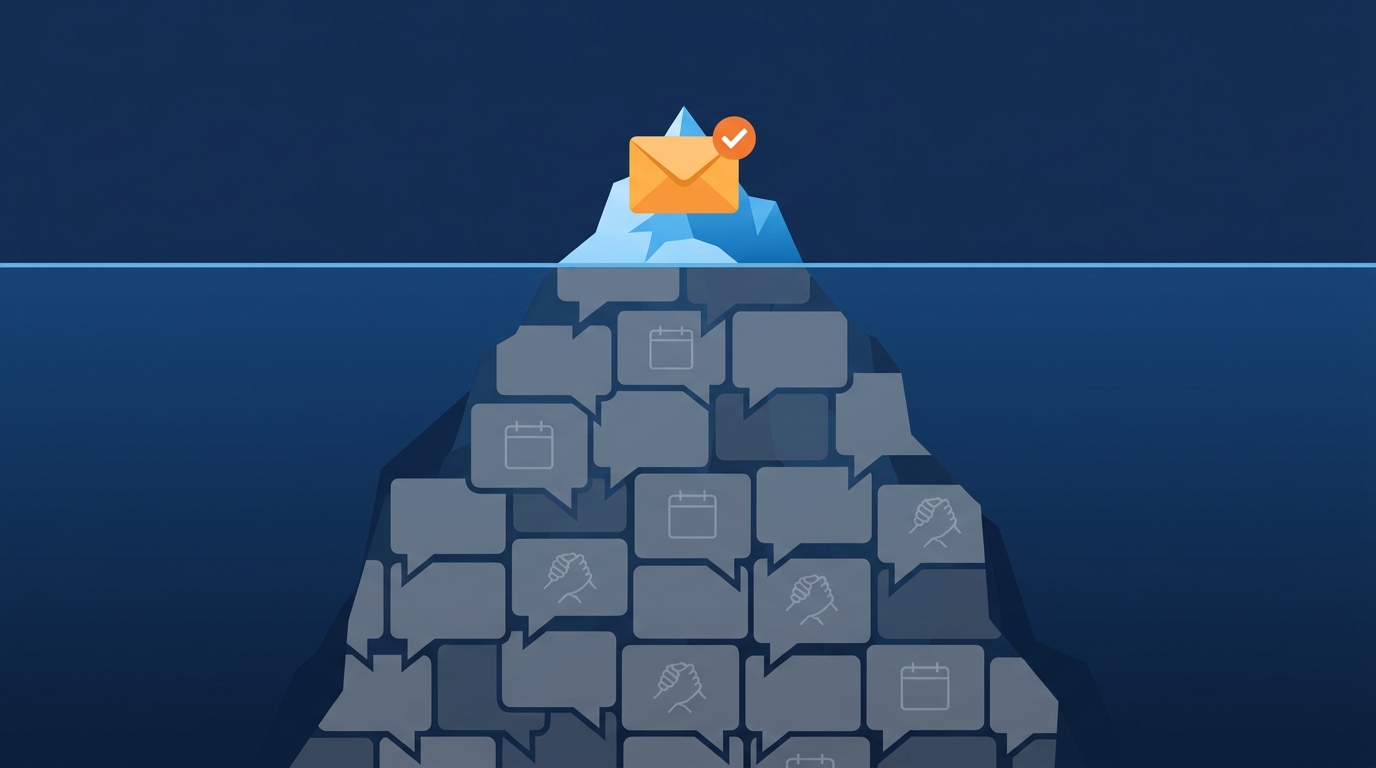
Three of every four replies are a no. That's where the meetings are
Estimated reading time: 6 minutes
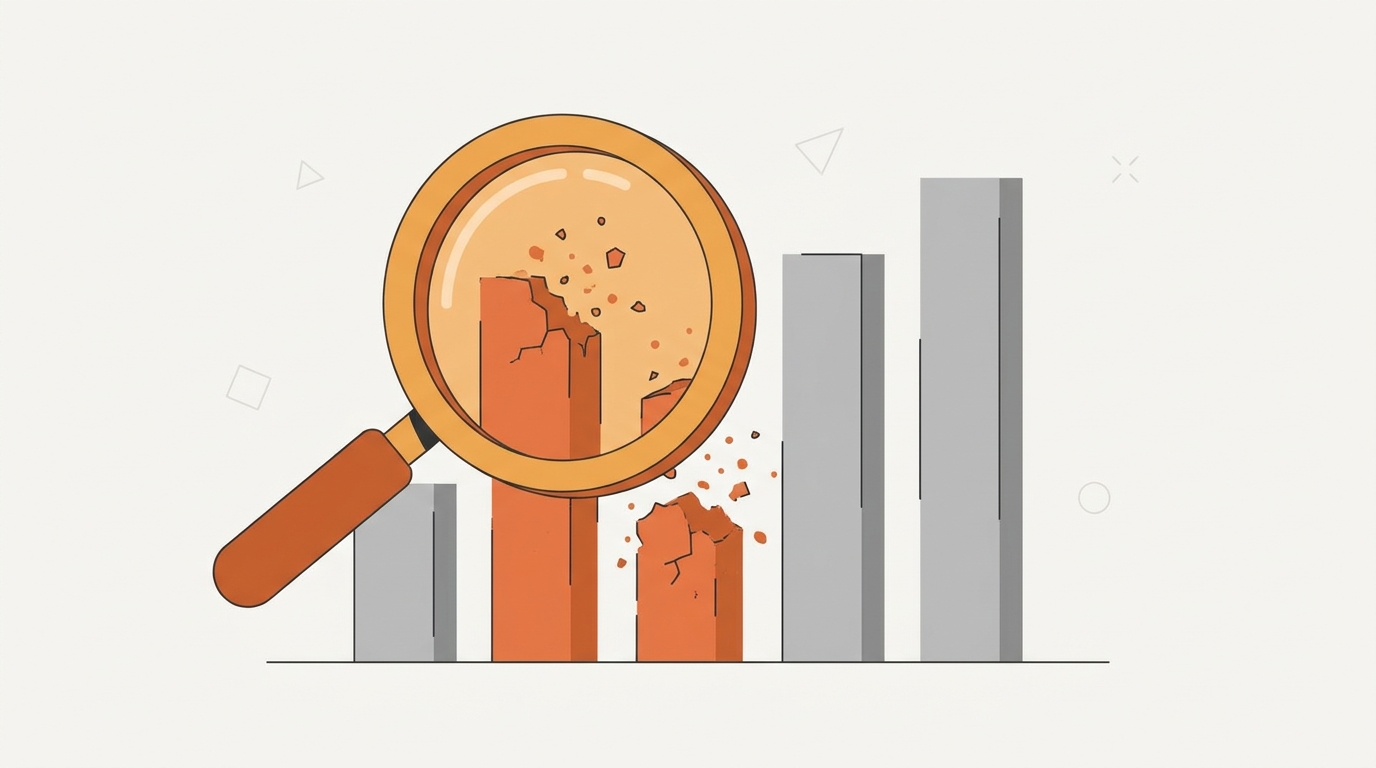
In 2024, Belkins measured a 5.8% reply rate across 16.5 million cold emails. Their 2026 study, run on 7.5 million emails sent in 2025, reports 0.45%. Part of that drop is a change in how they count. The rest is the market.
Numbers this famous deserve suspicion, so before writing this series we fact-checked 51 of the most-quoted outreach stats. Three turned out to have no real source at all. These two survived, and every other large dataset points the same direction: replies are getting scarcer.
Scarcity reprices what you already hold. Gong's count across 28 million cold emails puts the average cost of one meeting at 344 sends, which makes a reply, any reply, weeks of sending that finally paid off. The standard response to scarce replies is volume: more inboxes, more sequences, more sends into a channel that answers less every quarter. The cheaper lever sits one step later, in the replies you already earned.
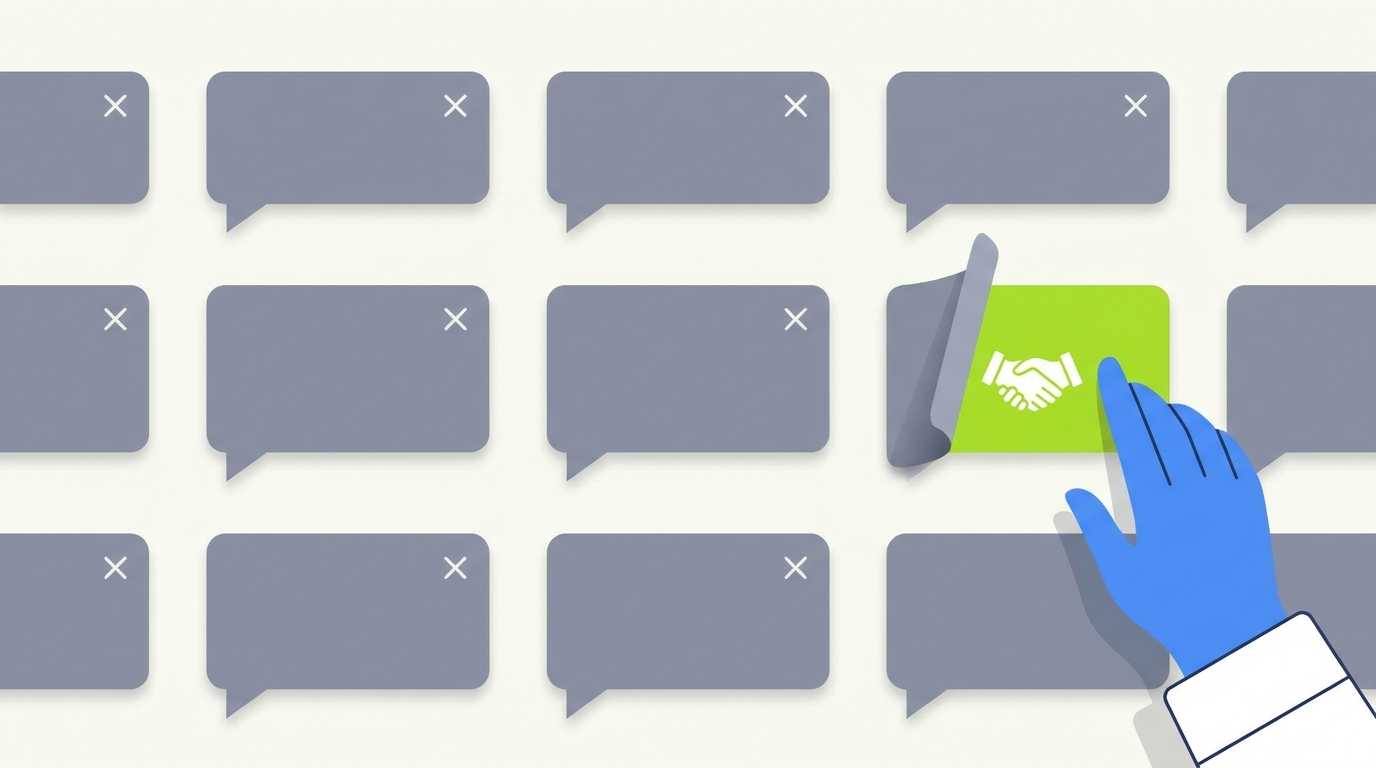
Most of them said no. What the data shows is how much of that no is negotiable.
What a cold email campaign actually gets back
Sales.co classified 61,770 real replies from more than 2 million cold emails sent between 2024 and early 2026:
| Reply type | Share of all replies |
|---|---|
| Auto-reply / out-of-office | 45.1% |
| Negative | 29.9% |
| Positive | 14.1% |
| Referral, neutral, other | 10.9% |
Strip the automated half and roughly one human reply in four is positive. The other three are objections, brush-offs, "wrong person" pointers, and the occasional flame.
How much is that pile worth? On the 344-sends math, every reply in it represents weeks of outbound effort that converted a stranger into someone typing back at you. Treating those replies as exhaust throws away the most expensive thing your sequences produce.
The advantage shows up in reply-to-meeting conversion
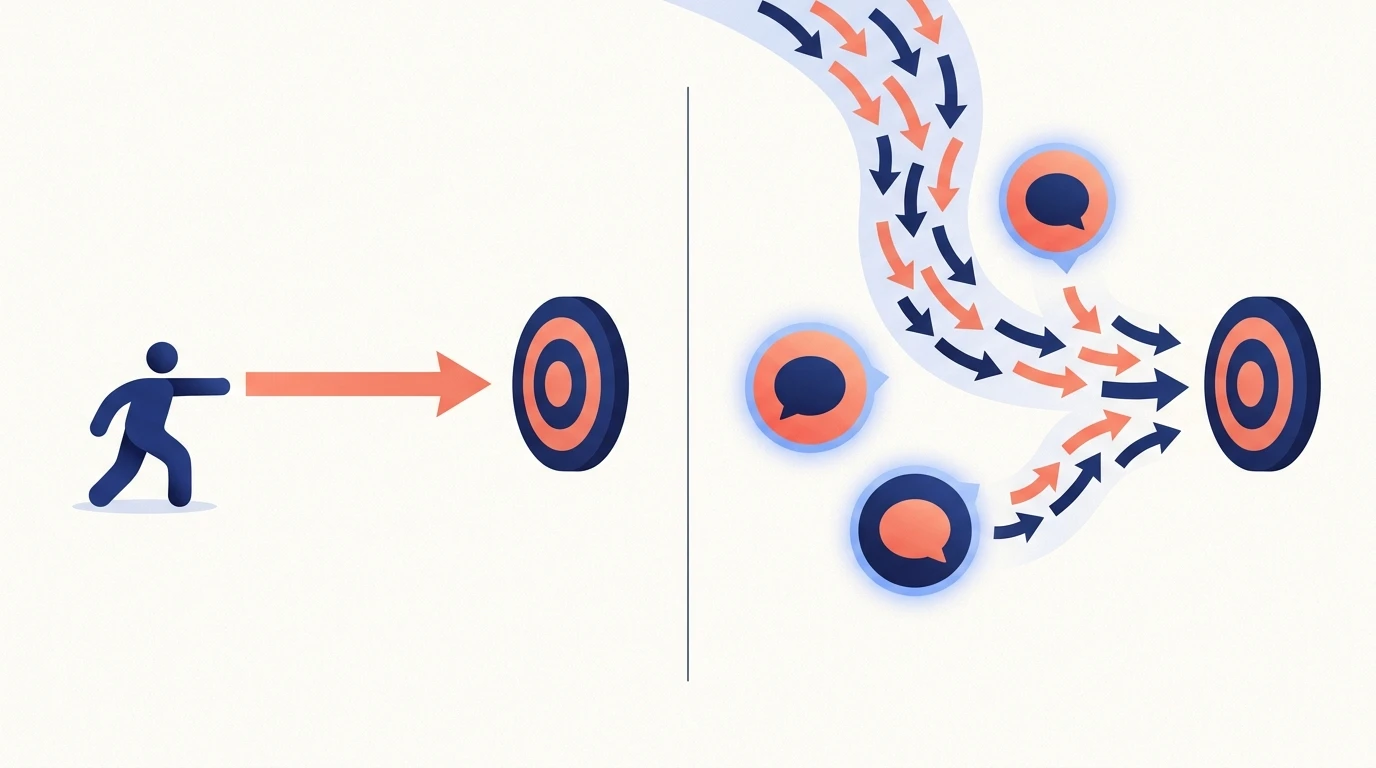
When 30MPC and Gong analyzed 85 million cold emails with Jason Bay, the top 10% of reps converted 29.6% of their replies into meetings. Average reps converted 15.3%. Same channel, same tooling, double the yield on every reply.
The sharper number sits one line down in the report: top reps booked 8.1x more meetings on only 4.2x more replies.
You could object that this is selection, and you'd be half right. Better reps write better first emails, better first emails draw warmer replies, and warmer replies convert more easily. But if the first email did all the work, yield per reply would be flat across tiers. It doubles instead. Roughly half of the elite multiple is earned after the reply lands.
That half gets almost no rehearsal time. Teams run copy reviews, A/B test subject lines, and agonize over send windows, then improvise the moment a human being finally answers.
The first sales objection is usually a reflex
Read your own no pile and you'll see the same few phrases on repeat. Gong saw them too, across 300 million cold calls: 49.5% of all objections are dismissive brush-offs, the "not interested" and "just send me some information" family. Their conclusion: at the moment of the no, you don't know the reason. Timing, an incumbent, wrong person, a bad morning. The reply doesn't say.
So what do top reps do with a no they can't read? They ask. Top performers respond to objections with a question 54.3% of the time; average performers, 31%. Average performers defend instead, and email punishes the defense hardest: pitching inside a reply cuts response rates by up to 57% in Gong's 28-million-email dataset.
Every practitioner school we read converges on the same two steps: accept the no, then ask one diagnostic. Josh Braun's version is a binary the prospect can answer from their phone in four words: "Is it the worst possible time, or are you happy with what you have?" A menu is easier to answer than an essay question, and either answer tells you what to do next.
A reflex and a reason look identical in the inbox. Both say "we're all set." The difference shows up one question later: a reason comes back with detail, a reflex stays vague. Until you've asked that one question, there is nothing to handle, because you don't know what the objection is.
And a prospect who objects is still in the conversation. The one who never replies has already defaulted to the status quo. Of the two, silence is the expensive outcome; the no at least tells you where to push.
Speed to lead: you have more time than the 5-minute rule says
The most-quoted number in reply handling says leads contacted within 5 minutes are 21x more likely to qualify. Check the provenance and it stops applying: the 21x came from a 2007 MIT/InsideSales study of inbound web-form leads worked by phone. A stranger who just filled out your demo form and a stranger who just typed "we're all set" are different animals, and only one of them is going cold by the minute.
The outbound-specific data is calmer. In CIENCE's analysis of roughly 6 million reply-timing rows, 19% of cold-email replies arrive within the first hour and 77% within 12 hours. Two or three fixed triage sweeps a day cover nearly everything, and quality beats speed for every reply type except hot positives and opt-outs.
So the 90-second sprint to answer a lukewarm "not now" buys you nothing. A considered reply, schedule-sent into the prospect's next working morning, is worth more than a fast one.
The best follow-up email is a goodbye
The finding I'd least have predicted: in the same 85-million-email report, breakup emails ("I'll close the file," "I won't follow up again") lifted bump replies by 89%. Bumps stuffed with case studies cut replies by 47%. Short bumps of one or two sentences pulled about twice the replies of long ones.
Tone carries the whole effect. Gong ran the phrasing comparison across 304,174 follow-up emails: "I never heard back," the guilt framing, raises reply rates and cuts meetings booked by 14%. Guilt gets you an answer and costs you the meeting.
Why would a goodbye outperform a nudge? Loss aversion: finality makes people decide. Or more precisely, finality with the pressure removed. A breakup line that pivots into a pitch reads as a trick, and none of the numbers above survive it.
The goodbye also has a date. The 30MPC data lands on roughly six emails across 14 to 28 days, with per-email reply rates dropping below 0.5% by email ten. Past seven, you're buying spam complaints.
The meetings are already in your inbox
Every dataset here points the same way. The moment of maximum information in outbound is the moment a human replies, and most teams have a practiced play for one reply type only: yes.
If this post changes one number on your dashboard, make it this: track positive-reply rate instead of raw reply rate. Outreach's data science team found positive-reply rate correlates 33% better with booked meetings across 6.5 million sequences, and reps who pick sequence variants on raw replies choose the worse variant 40% of the time. A dashboard that counts every "unsubscribe" as engagement will happily optimize you into the ground.
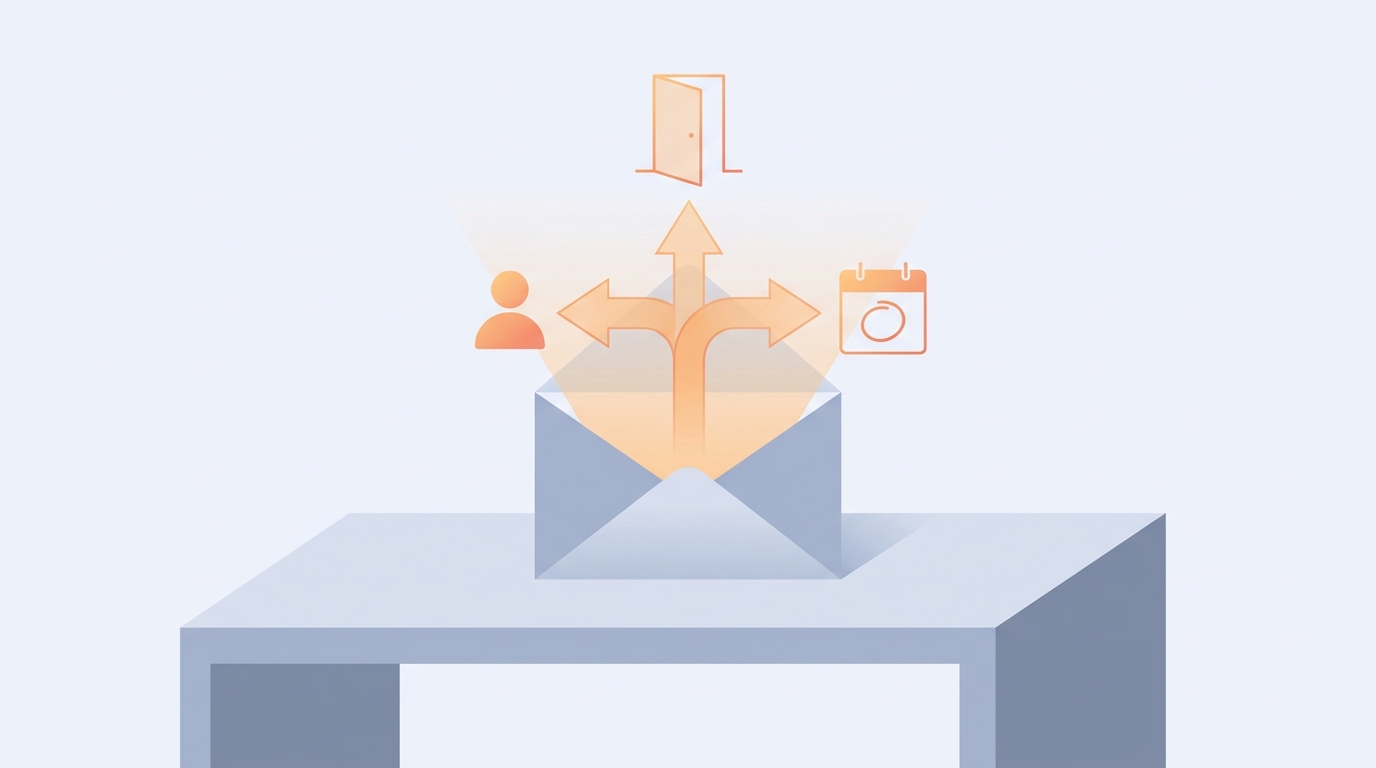
The rest is having a play for each no. "We already use X" wants a different reply than "circle back in Q3," and both want a different reply than the out-of-office that names a successor. We wrote up the full routing table, with templates, in the negative-reply playbook. It's also how we run client campaigns day to day: software classifies every reply, and a human approves every response before it goes out. The meetings recovered from the no pile are the cheapest pipeline we source.
Your next meeting is probably already in your inbox, filed under no.
Sources
- 30MPC x Gong x Jason Bay - The Ultimate Cold Email Data Report. 29.6% vs 15.3% reply-to-meeting conversion, 8.1x meetings on 4.2x replies, breakup language +89%, case-study bumps -47% (85M+ emails).
- Gong - The top objections across 300M cold calls. 49.5% of objections are dismissive reflexes.
- Gong - Does cold email even work anymore?. 344 cold emails per meeting; pitching in replies cuts responses by up to 57% (28M+ emails).
- Sales.co - Cold email statistics. Classification of 61,770 real replies from 2M+ emails.
- Outreach - Optimize for sentiment over response rate. Positive-reply rate vs raw reply rate across 6.5M sequences.
- Gong - Sales stats. Top reps answer objections with a question 54.3% of the time vs 31%.
- Gong - The perfect follow-up email. "I never heard back" cuts meetings booked by 14% (304,174 emails).
- Belkins - Cold email response rates. 0.45% reply rate across 7.5M emails, with the methodology change from the 2024 study.
- CIENCE - Best time to send cold emails. Reply arrival curve: 19% within an hour, 77% within 12 hours (~6M rows).