The Profile Is the Pitch
Estimated reading time: 6 minutes
A complete LinkedIn profile connects at around 30%. A thin one connects at 7 or 8. Same lists, same messages. We've measured this across our and our clients' campaigns enough times to stop treating it as a fluke.
Most sellers spend their outbound effort on the message: the note, the follow-ups, the sequence. Which is understandable, because the message is the part you get to write. But think about what a prospect actually does with a connection request. They see a photo, a headline, and a button. If those make them curious, they tap through to the profile. Then they decide.
The profile is the pitch. Or more precisely, it's the part of the pitch that runs while you're not in the room.
Run the math on what that's worth. LinkedIn caps invitations at about 100 a week, for everyone. At 8% acceptance that's 8 new conversations a week; at 30% it's 30. Over a quarter, identical effort produces either about 100 conversations or about 390.
Now the objection, and it's a good one. The largest public dataset points the other way. Expandi analyzed 13.2 million connection requests sent over a year [1] and found that who the sender is barely moves the number: seniority shifts acceptance about 3 points from junior to C-level, and company size does nothing. What moves it is who you target. The target's industry alone swings acceptance from 17.5% to 40.1%. If sender attributes are worth 3 points, a 22-point swing from profile quality shouldn't exist.
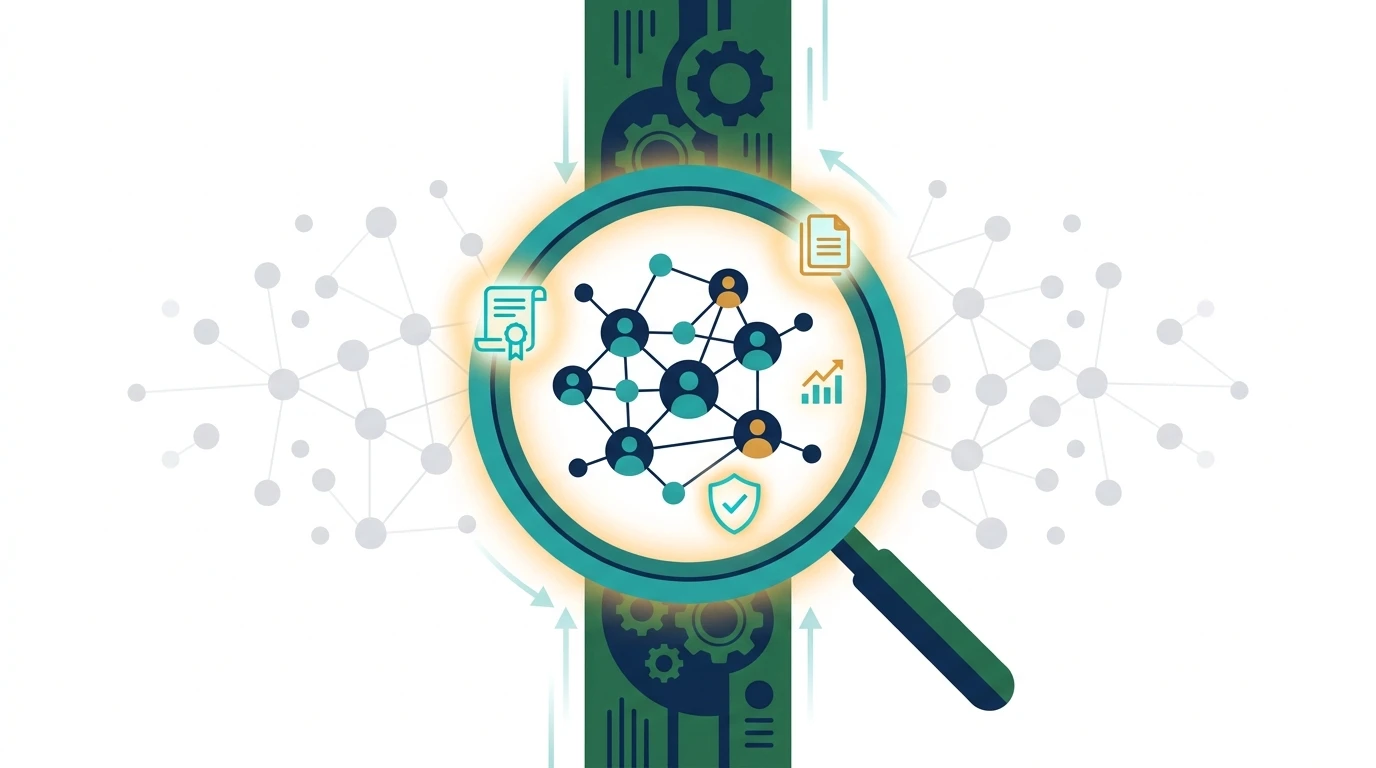
But look at what a dataset like that can measure. Title seniority. Company size. Things a machine can count across 13 million rows. It can't score whether your About section says anything, or whether you've posted in the last six months, and Expandi concedes as much [2]. Fixing the profile while holding the list constant, the way we've had to do it client by client, is the experiment their data can't run. Both findings survive: targeting sets your ceiling, and the profile decides how much of it you collect.
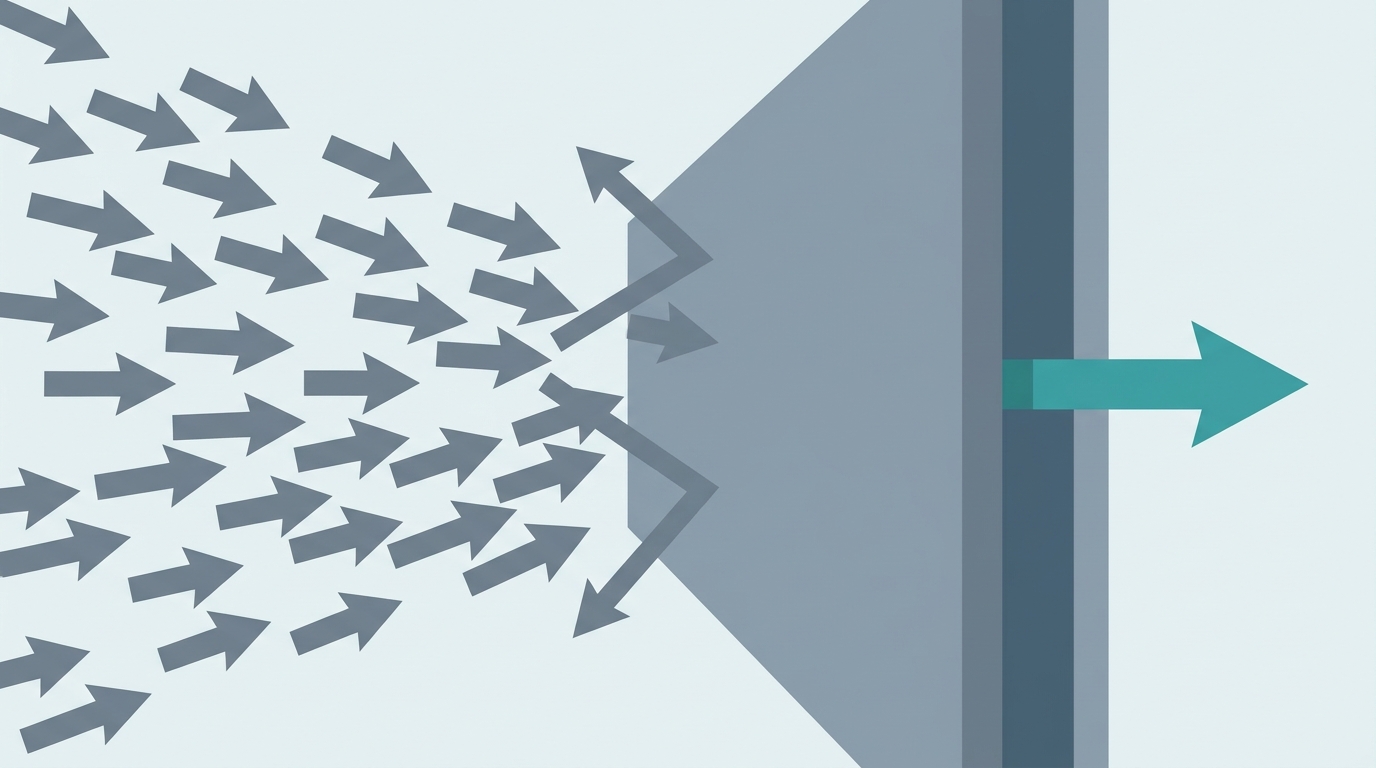
Why would the profile matter this much now? Because the message stopped carrying information. Belkins tagged 15.1 million touchpoints in 2025 and found AI-assisted messages replied at 7.3% versus 7.0% for human-written ones [3]. Effectively no difference, and your own inbox shows why: when a message costs nothing to produce, receiving one tells you nothing about the sender. Buyers reacted the way anyone would. They stopped reading the message for proof and started reading the sender.
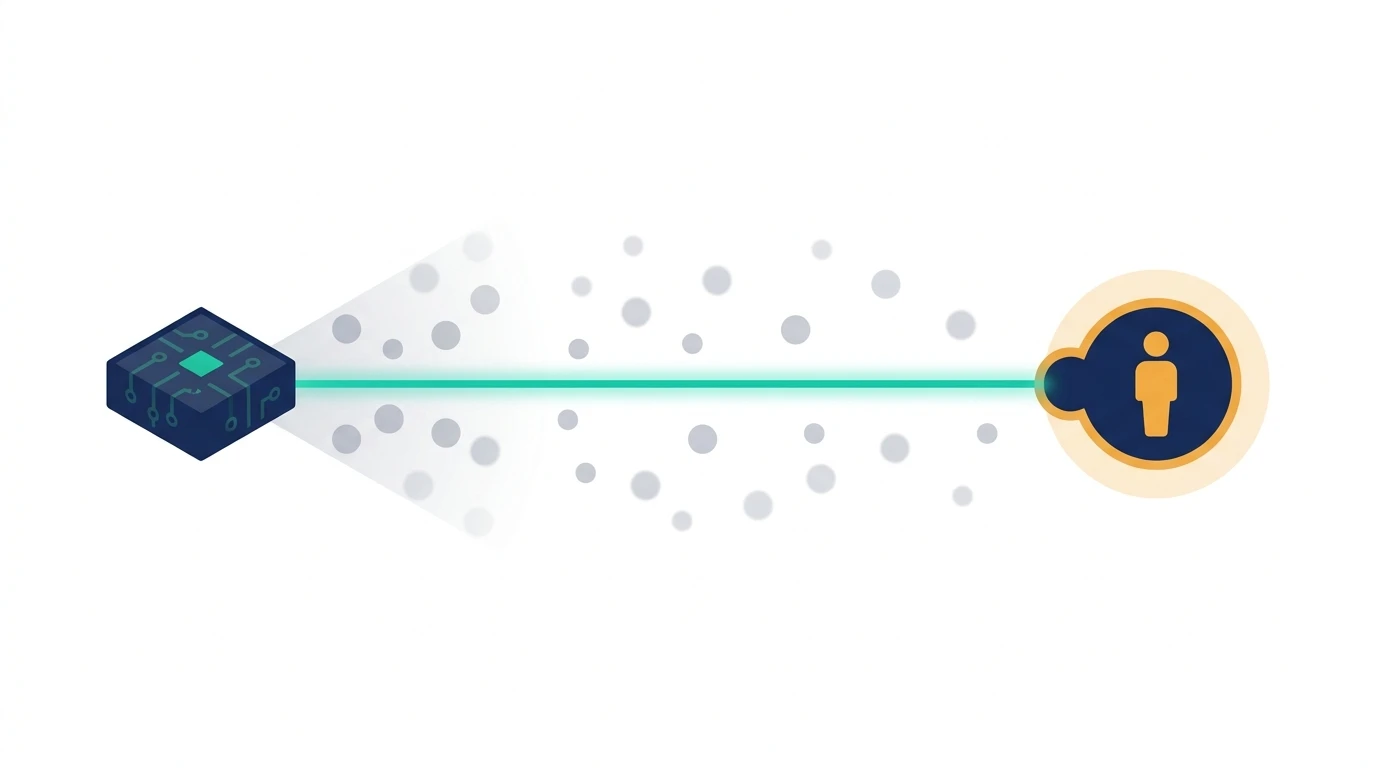
Economists have a name for what they're looking for: a costly signal. A signal works when faking it is expensive. A year of posts about your market is expensive. And buyers are actively hunting for that kind of proof, because they've been burned: Ipsos and LinkedIn found 86% of buyers say expertise is what makes them trust a seller, while only 45% say the sellers they meet are trustworthy [4]. They run this check before replying. Back in 2018, 62% of decision makers already told LinkedIn an informative profile factors into whether they'll work with a salesperson at all [5], and that was before the AI flood.
So what does a profile that converts look like? Five things moved the needle in our campaigns, and none takes more than an afternoon except the last.
First, the headline. "Account manager at X" describes your position on an org chart. "Head of partnerships" describes what you're for. A seller of carbon credits who writes "supporting companies in decarbonization" has told the prospect what's in it for them before they've clicked anything. Aim one level up in ambition and zero levels up in fiction: buyers see through "Growth Rockstar," and with a skeptical audience honesty outperforms cleverness.
Second, the photos. A neutral, professional headshot; LinkedIn's own data says a profile with a photo is 14 times more likely to be viewed [6]. And a branded banner. The banner is free ad space that almost everyone leaves as a blue gradient, which is a waste, because it's the first thing a visitor sees that you chose.
Third, the About section. Write it about your recent work. A prospect deciding whether to answer you cares what you did last quarter; 2019 might as well be someone else's career. Three lines show before the fold, so the sentence about who you help goes first.
Fourth, experience. A couple of bullets per role, each a win with a number in it, phrased as what happened for the client rather than what happened for you. A buyer scans this section with one question: does this person understand people like me?
Fifth, and heaviest: activity. A post or a commented repost every week or two. Take your company's announcement and add three lines of your own thinking. AuthoredUp's reach data says a bare repost earns a median of 2 reactions, a repost with commentary 8, and an original post 28 [7]. The commentary is what counts, because it proves a human with opinions is attached to the account. An empty feed suggests the DM was automated. Increasingly, it was.
Activity weighs the most for the same reason it gets skipped the most: it can't be produced the night before a campaign. You can fix a headline in five minutes. Six months of showing up has to actually take six months, and that's exactly what makes it worth something. Edelman and LinkedIn have measured the downstream effect for years: about 90% of decision makers say they're more receptive to outreach from people who consistently publish useful thinking [8].
I'd like to tell you which of the five matters most on its own. The honest answer is nobody knows. We've only ever fixed them together, and as far as I can tell no one has published an A/B test of a single element. What's replicated is the bundle: complete profiles land near 30%, thin ones near the floor.
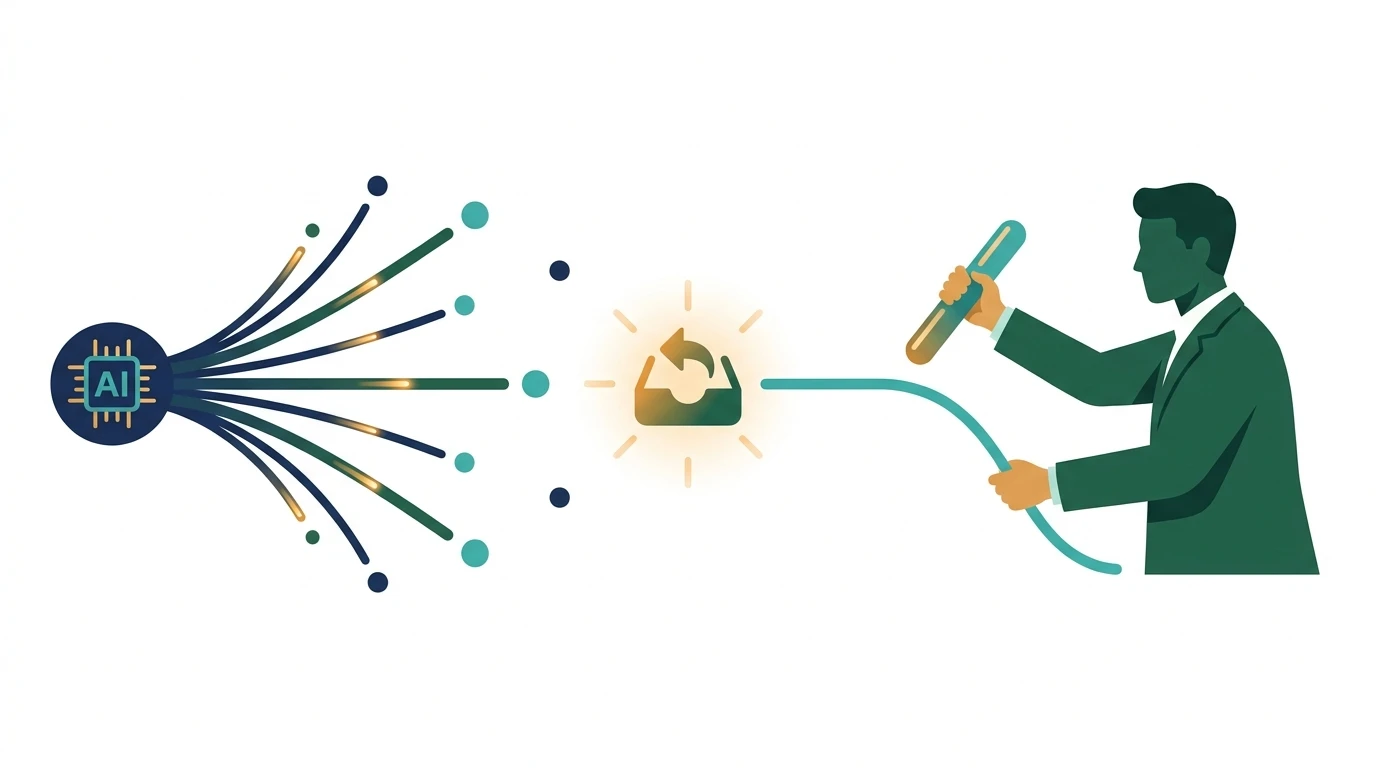
What about the note you attach to the request? It does a different job than most sellers assume. Belkins found requests with a personalized note were accepted slightly less often than requests with none (25.3% versus 27.6%) but got nearly double the replies afterward (8.2% versus 5.3%) [3]. Which makes sense once you see the accept and the reply as different decisions. The accept is a judgment of you, and a salesy note only adds risk. The reply is a judgment of what you said. Write the note for the person who has already let you in.
One warning about order. If your acceptance rate is under 20%, your problem is probably the list, and no headline will rescue a campaign aimed at the wrong people. Fix targeting first. Then fix the profile once, and it pays on every request you send afterward.
The general lesson reaches past LinkedIn. Whenever a signal gets cheap to produce, readers stop trusting it and move their attention to whatever is still expensive. Messages got cheap. Credibility stayed expensive.
Spend there.
Notes
[1] Expandi, LinkedIn Outreach Benchmarks 2026: 13.2M connection requests, May 2025 to April 2026. Average acceptance 28.5%; below 20% flagged as broken.
[2] Expandi, LinkedIn Acceptance Rate: their own framing is that the list you target moves the number and the title on your profile barely does, while listing profile factors they can't isolate in the data.
[3] Belkins, LinkedIn Outreach Study: 15.1M touchpoints, January to December 2025.
[4] Ipsos and LinkedIn, The Trust Advantage, 2024-25.
[5] LinkedIn, State of Sales 2018. Dated, but it's the cleanest direct measurement of buyers evaluating seller profiles.
[6] LinkedIn Talent Blog, profile picture tips: the live page says 14x. The 21x/36x numbers still circulating come from a 2017 post LinkedIn took down.
[7] AuthoredUp, LinkedIn algorithm analysis.
[8] Edelman and LinkedIn, 2024 B2B Thought Leadership Impact Report.